

Wine Tasting 101: A Beginner's Guide
- Cynthia
- Jan 19, 2025
- 4 min read
Wine Tasting 101: A Beginner's Guide About 20 years ago, I discovered wine—real wine, not Boone’s Farm or the ever-popular White Zinfandel from Sutter Home and Beringer. And so began a new passion.
Back in the day, we all started with White Zinfandel and thought we were sophisticated—of course, we were! We had graduated from Boone’s Farm. But venturing beyond that was tricky: reds either tasted terrible or left me with a pounding headache. Wine tastings? I didn’t even know they existed.
My real introduction came while working at a specialty food chain that had just started carrying wine to pair with gourmet food. The company wanted big sales, and being competitive, I aimed not just to meet projections but to outsell every other location. Only problem? I knew almost nothing about wine. How was I supposed to sell it?
I started reading, and a whole new world opened up—along with a few dents in my wallet. Grapes, viticulture, viniculture, regions, vintages—I was fascinated and a little overwhelmed. I started small, exploring what we carried at the store: some Virginia wines, mostly from Oregon and California. A South American line we tried? Totally unpalatable. Our store was in a mall, known more for sweets than wine, so most customers weren’t there for the finer bottles. But Chocovine? That sold like crazy. Eventually, the company decided wine wasn’t working out and dropped out of the business, and I moved on.
Next stop: specialty foods from Spain. This was another huge learning curve—but one I loved. I ran the wine room and immersed myself in Spanish wine regions. We added Saturday tapas nights while updating the kitchen, which introduced me to the world of restaurateur-style pairings. Wine tastings became a community hit, and the wine room eventually made up nearly 30% of store income. Pairing wines with authentic Spanish dishes just made sense, and my knowledge of wine grew deeper and richer.
Later, I moved to a job managing food, with a wine department and a knowledgeable Sommelier right next door. In 2017, I earned my Intro-Sommelier Certificate—proof I’m not just an enthusiast—and began hosting wine and food pairing nights at home. I’d bring together wines from around the world, pairing them with dishes to create an experience for friends—some of whom were still firmly in their White Zinfandel phase, which always made for entertaining teaching moments.
When I host wine tastings, I always start by reassuring those who are new to wine or a bit shy about speaking up. Wine is a personal experience—there’s no right or wrong when it comes to what you like, and you shouldn’t feel pressured to agree with someone just because they seem like they know more. And here’s the thing: you can pair any wine with any meal. Period. The point of wine pairings is to enhance the dish and elevate the vibe of the wine. If you think a white wine can hold up to a hearty beef dish, then go for it! Trust your taste buds—wine pairing is all about personal preference.
I suggest starting with understanding the basic types of wines: red, white, rosé, and sparkling. Explore the most common varieties such as Cabernet Sauvignon, Merlot, Chardonnay, Pinot Grigio and Pinot Noir. These are usually a gentler way to enter the world of wine and will give you the start you need to build on.
Tasting wine involves your senses:
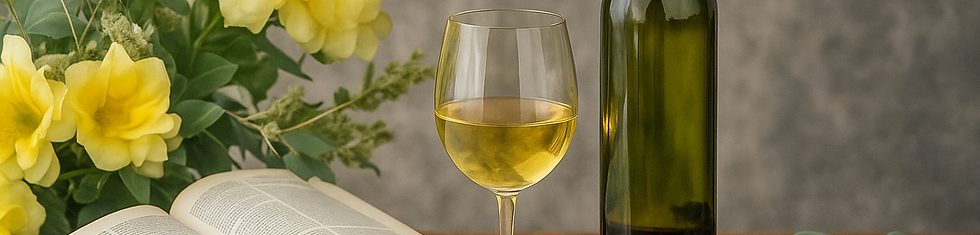
1. Sight: observe the color and clarity of the wine. Is it deep and rich or pale and light? Roll it around the glass, does it cling to the sides or simply roll back into the bowl?
2. Smell: Swirl the wine gently in your glass to release its aromas. Take a moment to inhale deeply and identify the different scents. Is it earthy? Floral? Minerals?
3. Taste: take a small sip and let the flavors dance roll across your palate. Pay attention to the taste, texture, and finish of the wine.
Your senses will mature as you sample more wines, and you will be able to pull out some of the more elusive smells and flavors as your tastes develop.
It’s a good idea to take notes and there are apps that can assist in your research and tracking what you have sampled. I use the Vivino app. You can sign up to receive free shipping off your orders, paying only $4.99 a month.
Wine and food are made for each other, so enhance your tasting experience by pairing your wine with your meal. If you are eating out, ask the server to recommend a glass or bottle to accompany your dinner. Restaurants that offer a wine list usually have a sommelier or chef that is familiar enough to offer pairings.
Wine is produced all over the world, and each region has its own unique terroir, which influences the taste and character of the wine. You will discover that some Old World regions process their wines quite differently than some regions that are more recent producers.
One of the best ways to learn about wine is by attending wine tastings. These events provide an opportunity to sample a variety of wines and learn from knowledgeable experts. But please don’t embarrass yourself (or me) attempting to break down that sample of fruit wine (I have seen it happen).
Remember, wine tasting is all about personal discovery—there’s no right or wrong way to do it. The key is to have fun, try new things, and find what you love. So, go ahead, raise your glass and cheers to the exciting world of wine tasting!


